
Aseptic Technique for Injectable Treatments
Keep every injection aseptic, from the first prep step to the last.
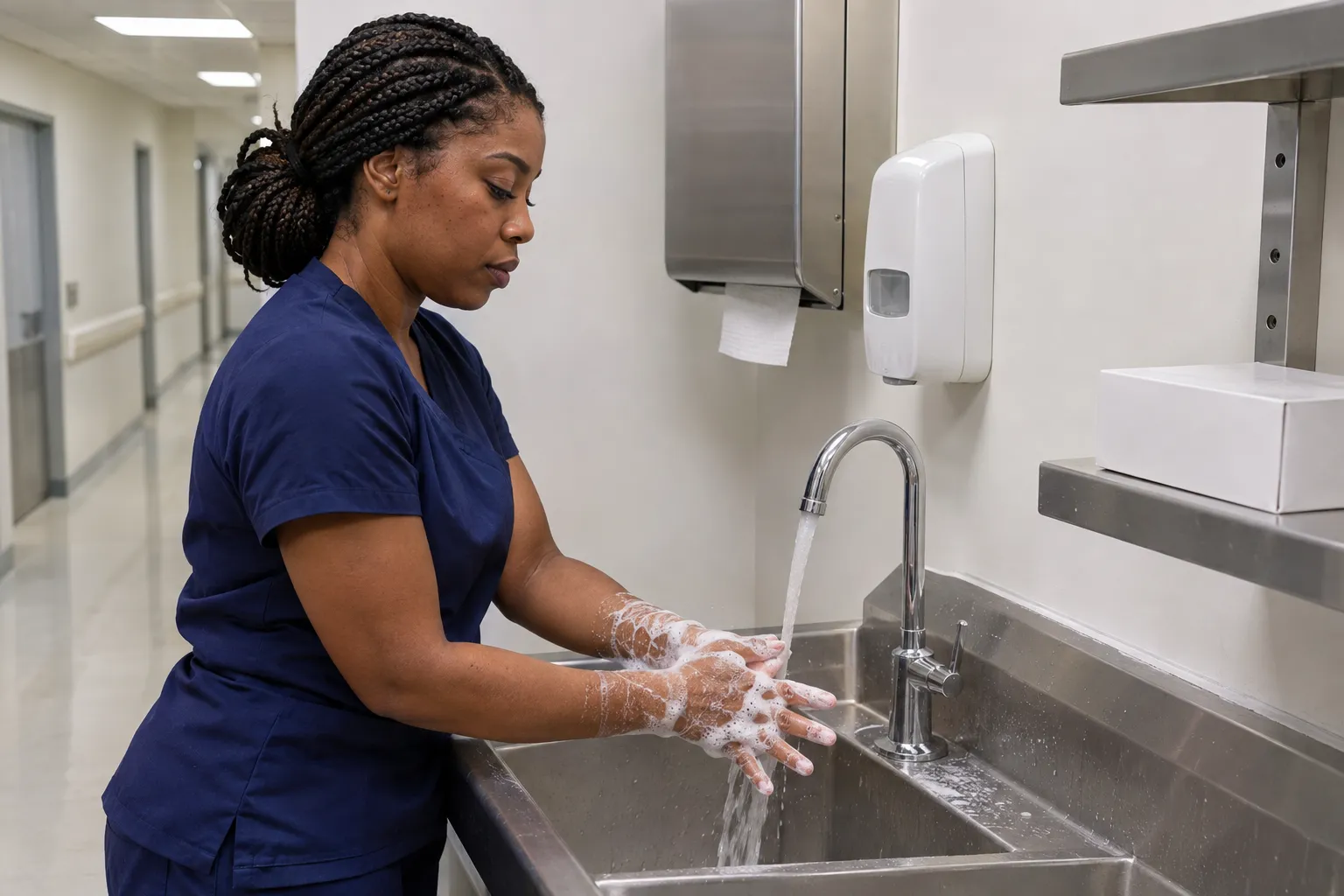
What a skipped step can lead to
A review on PubMed Central says a lack of aseptic technique can introduce bacterial infections, leading to abscesses, granulomas, or systemic infections. Read that as a list of outcomes you are responsible for preventing.
The Centers for Disease Control and Prevention page Preventing Unsafe Injection Practices is the reference to read alongside it.
Putting your aseptic steps on paper
- Write down the aseptic steps your clinic follows for each injection.
- Compare each written step with that page.
- Follow the same written steps for every patient.
- Stop and correct the process when a step gets skipped.
Granulomas as a named outcome
Granulomas appear in the list above, so they are worth knowing by name. A separate review, Adverse Effects Associated with Dermal Filler Treatments: Part I Nodules, Granuloma, and Migration, covers nodules, granuloma and migration after filler treatments.
For nurses and physician assistants near Morristown
If you are weighing a move into aesthetics in or around Morristown, New Jersey, treat infection control as part of the job from day one. It does not wait for the first filler or toxin session.
Find the aseptic steps in your protocol
Open your own clinic protocol and find the aseptic steps. If they are not written down, that is the first gap to close. For the training side of the same question, read The Need for Regulated Training and Certification for Providers Entering into Aesthetic Medicine.